
When Aesthetics Became Identities
You know how the concept of ‘taste’ is everywhere you look online right now. It’s one of the new buzzwords, how to build taste, how to create taste, what does a woman with taste look like, what does she study, eat and so on and so on, all of these silly rules being given and created by someone with a USB-C mini clip on mic, a light for content creation and sat in front of a phone or whatever latest camera filming setup TikTok has recommended.
Well, what exactly is taste, and is the fact that these ideas of what “fits” in somewhat problematic? It's no secret that social media has replaced reading to an extent, and even magazines, which held these influences. And nowadays, with items being mass-produced, it s no wonder most feeds end up looking like an army of clones. Cultural taste seems to have also travelled somewhat. Take homes, for example: you used to be able to walk into a person's house and tell exactly who they were, what they liked, and interesting things about their quirks and family (if they were part of one). We still do all of those things for the most part, but what has changed is that increasingly the ways in which we decorate our homes and appear outside our choices all seem to belong to a neat little title or label.
Cottagecore. Dark academia. Coastal grandmother. Whimsy. Clean girl. Old money. Mob wife, Tuscan Mum and so on, every 3-6 months, a new title creeps up, and the following 8-9 months after that, we see the ripple effects.
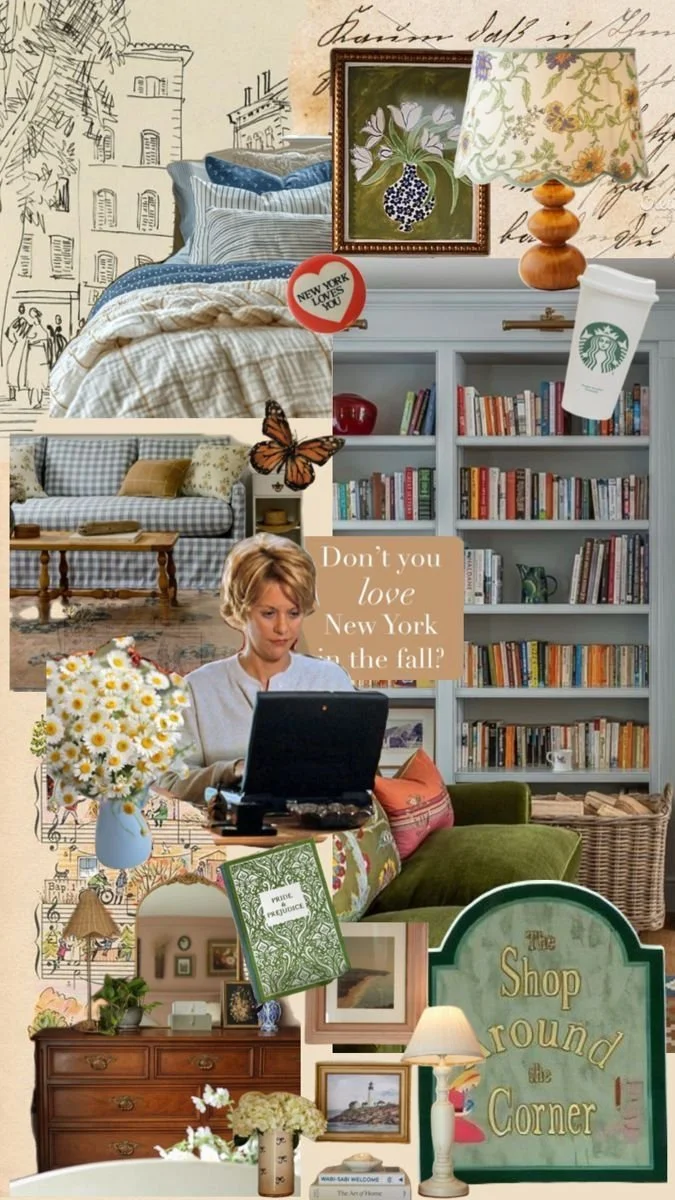

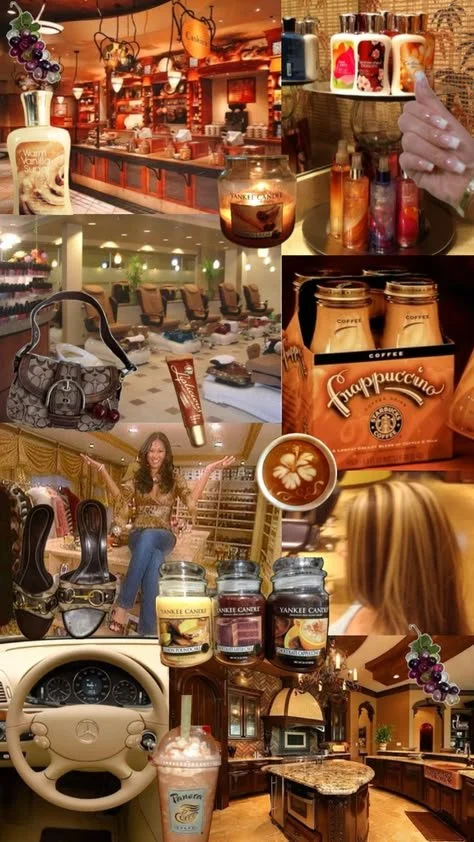
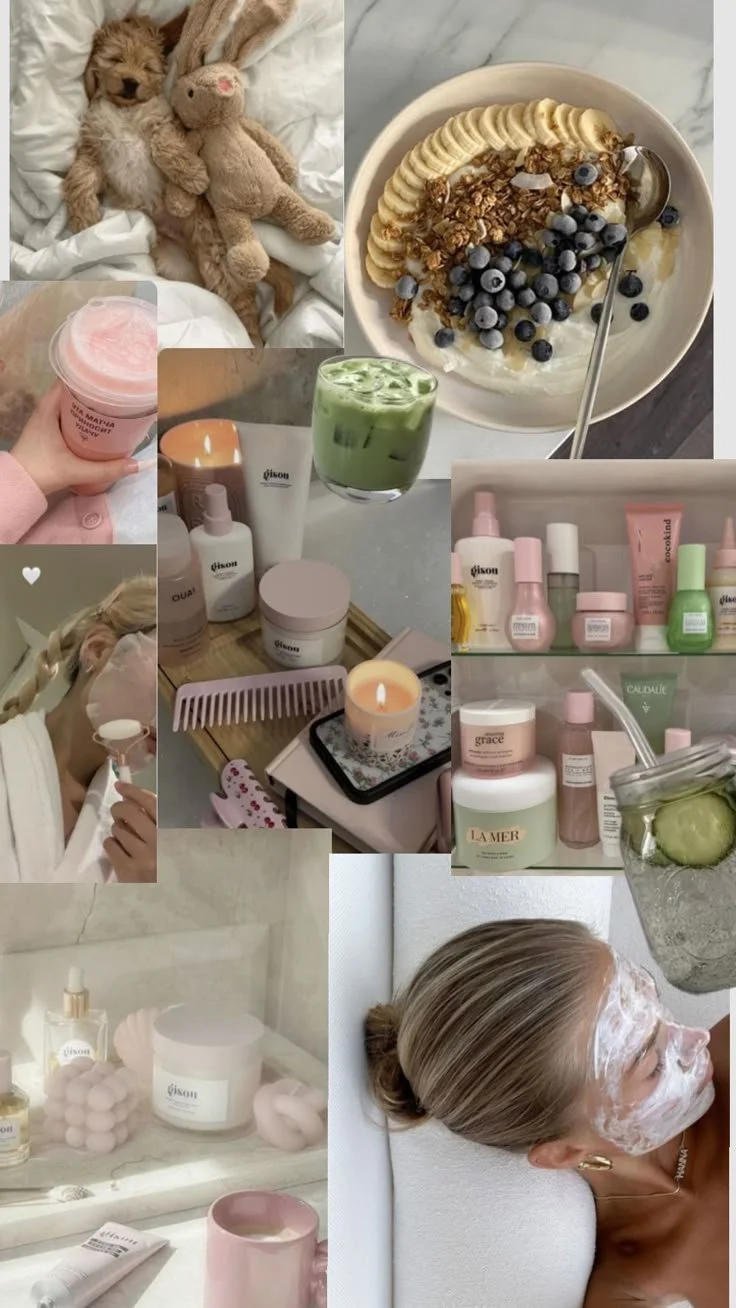
These aren't simply trends in the older sense of the word; they function more like small, portable worlds. An aesthetic can tell you how a room should look, what books belong on the table, what clothes its inhabitants wear, what music is playing, where they travel, what kind of work they might do and, increasingly, what sort of person lives there. It is fascinating to see, because I don't think it begins with social media wholly, although the platform TikTok makes it unusually visible.
The obvious temptation is to trace contemporary aesthetics backwards and announce that cottagecore or dark academia secretly began decades ago. Frankly, that’s too much work, plus I gave myself an hour time limit to write this.
So I’d say the labels themselves belong much more clearly to digital culture. But the machinery through which visual worlds became culturally powerful is older. Take television, which became increasingly central to domestic cultural life during the second half of the twentieth century, while magazines, advertising, cinema and eventually cable television gave audiences an expanding number of visual worlds to inhabit. By the 1980s, music television made the image even more important. Clothes, interiors, typography, hairstyles, objects and atmosphere became a way for culture to be communicated more widely.
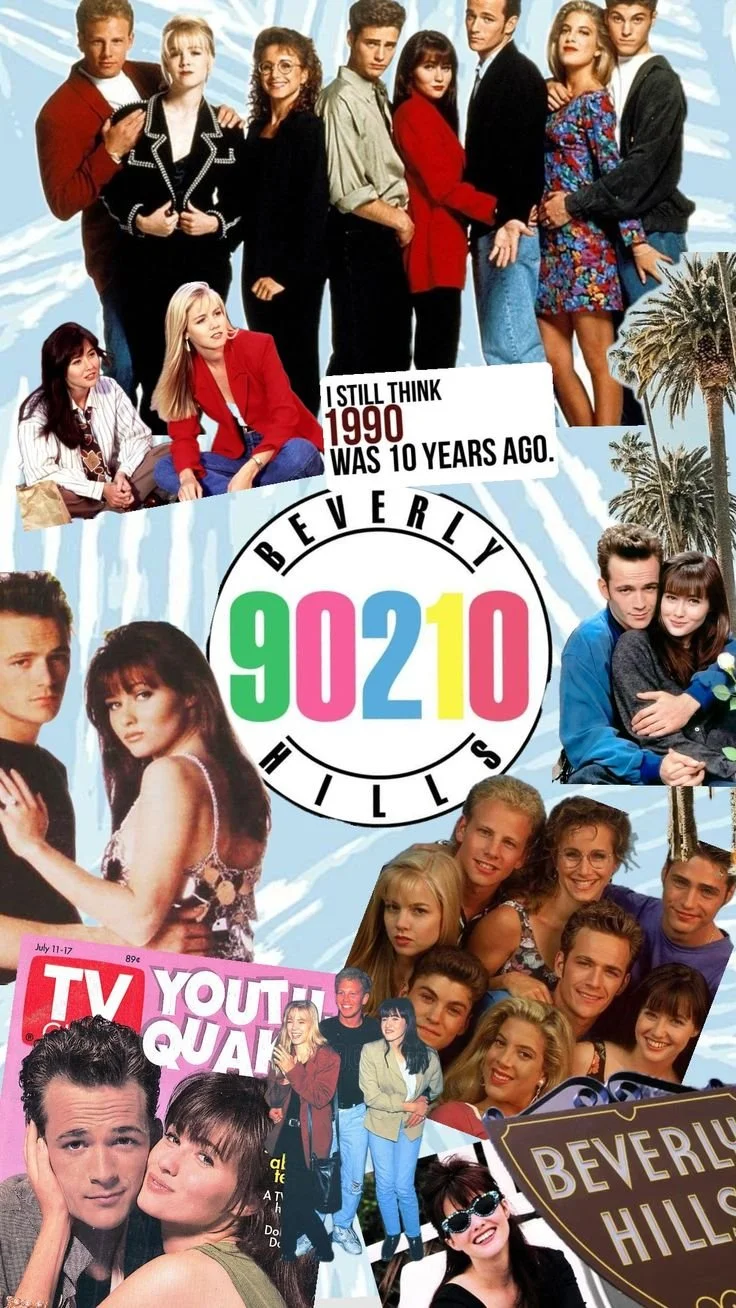
There is a rather startling example of how quickly that visual language can become cultural language. When broadcast television arrived in the Nadroga province of Fiji in 1995, researchers led by Anne Becker were presented with something increasingly rare: a population with comparatively little previous exposure to Western television. They studied adolescent Fijian girls shortly after television arrived and again three years later. By 1998, indicators of disordered eating had risen significantly; none of the girls in the earlier sample had reported self-induced vomiting to control their weight, while 11.3 per cent of the later sample did.
What interests me here is not simply that television introduced thinner bodies. The girls were encountering programmes such as Beverly Hills, 90210, Melrose Place and ER, and Becker's interviews suggested that they were reading the women on screen as models of successful and desirable lives. Bodies arrived attached to characters, clothes, relationships, occupations and social worlds. Television was communicating an entire cultural proposition about what kinds of women appeared to prosper.
It is an unusually stark example, but it makes visible something television was doing everywhere. We did not only learn what desirable people looked like. We learned to associate particular appearances, objects and environments with particular kinds of lives.
Take Nancy Meyers, who is almost too perfect an example of what happened next. Her films did not invent an internet aesthetic, but they created extraordinarily recognisable worlds: large, warm kitchens, books and linen, comfortable furniture, creative, professional women, coastal affluence, and a version of adulthood in which domestic beauty, work, money, and romance somehow coexist. Nobody watching Something's Gotta Give needed to call Diane Keaton's house “aesthetic” for it to perform cultural work; the set gives us a good inkling of the woman who lives there. In the same way, Miss Honey’s house is a stark difference to her childhood home, now inhabited by her Aunt Trunchbull.
The internet has changed what we can do with that desire. We could isolate the kitchen from the film, save it to a board, find twenty rooms like it, identify the paint colour, buy the lamp and eventually encounter someone explaining how to get the “Nancy Meyers aesthetic” in your own home. That movement from influence to classification is what interests me, as there have always been subcultures and highly coded ways of dressing, decorating and signalling who we are. But platforms make those cultural signs searchable and, crucially, repeatable at enormous scale. Once a collection of signs acquires a name, the system knows approximately what belongs to it.
Dark academia: libraries, tweed, Gothic architecture, loafers, candles, fountain pens, poetry.
Cottagecore: wildflowers, bread, linen, ceramics, gardens, handmade objects, rural domesticity.
The label binds otherwise separate things together, and the recommendation system can take it from there. This is also why contemporary aesthetic culture can move so freely through time. Streaming platforms and social media have given us an almost simultaneous cultural archive. A teenager can encounter a 1990s romantic comedy, a period drama, a 1970s interior and a contemporary fashion creator within the same afternoon, and none needs to remain particularly attached to its historical context. The clothes can be extracted, the room screenshotted, and the architecture saved, thus rendering the past material.
Perhaps that is why so many contemporary aesthetics are nostalgic without being especially interested in history. Dark academia does not need the historical university in all its exclusions and institutional peculiarities. It can take the library, the wool coat and the promise of intellectual seriousness. Cottagecore can take the garden, bread and pastoral slowness without requiring much engagement with the realities of agricultural life.
What survives is often the emotional proposition: this is what another kind of life might feel like. These aesthetics tend to promise precisely the things contemporary life makes difficult. Slowness. Tactility. Intellectual depth. Domestic security. Beauty. A large kitchen. A garden. Time to read. Time to bake bread. A home over which you have enough control to make it look like anything at all.
There is something else slightly strange happening here. Many of the aesthetics currently circulating most successfully promise a retreat from the very economic conditions in which their audiences live. The tradwife-adjacent version of domestic life is perhaps the clearest example. The imagery is full of large kitchens, abundant groceries, beautiful cookware, gardens, children at home and women with enough time to make bread from scratch on a Tuesday afternoon. It presents itself as a return to simplicity, but simplicity turns out to require quite a lot of stuff. More importantly, it requires space, time and usually somebody else's income.
At precisely the moment when secure housing, single-income households and even ordinary domestic stability feel increasingly difficult for many people to attain, we are surrounded by extraordinarily polished images of domestic abundance. Perhaps that is part of their appeal.
Keeping up with the Joneses once required the Joneses to live nearby. You saw their extension, their new car, and their curtains. Now the Joneses are an endless feed of people whose homes, incomes, and working arrangements we often know very little about, except that the kitchen is beautiful and that there was apparently time this morning to make butter.
And the strange thing is that we participate in selling the dream to one another. We buy the smaller pieces that allow us to approximate the larger life: the linen dress, the expensive pan, the lamp, the sourdough starter, the paint colour. None of those desires is necessarily false. I like beautiful things as much as anybody. But the aesthetic can make a structural impossibility feel like a personal shopping problem.
Perhaps that is one of the more peculiar functions of contemporary aesthetic culture. It gives us consumer access to lives to which we may have decreasing material access. You may not be able to afford the house, but you can buy the lamp.
This is where the apparently frivolous language of internet aesthetics becomes more complicated. But platforms have their own relationship to all of this. They like things that can be classified.
“I like old books, strange lamps, 1970s interiors, certain textiles, oversized shirts, science fiction, terrible little ceramic animals and houses that look slightly haunted” is a perfectly coherent description of a person's taste. Computationally, it is rather inconvenient.
“Dark academia” is easier. Naming an aesthetic can create community and give people a language for things they previously struggled to articulate. But it also makes taste legible to recommendation systems and commerce. Once the room, clothes, books, holiday and coffee shop all belong to the same recognisable visual world, identity itself starts to acquire the logic of a feed. I save one kitchen and receive another. I watch a video and discover a creator. I search for the dress, find the playlist, buy the lamp and eventually photograph my own room. The circuit closes.
Television once showed us lives we might want. The internet allowed us to find them, enabling platforms to learn to name them.
And now they are increasingly good at telling us what else a person like that should want.